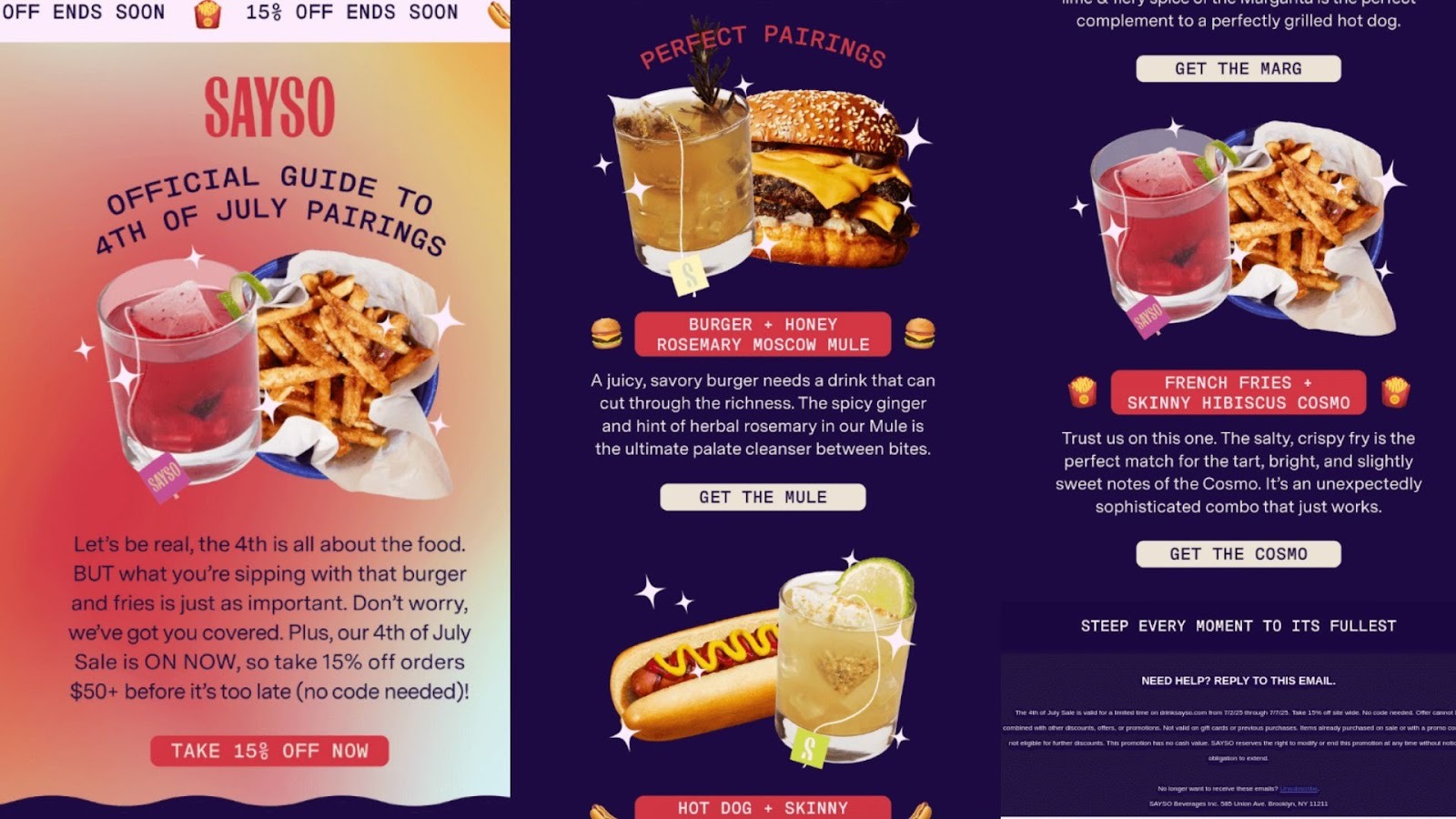
Mobile-friendly design and appetizing visuals are essential for engagement in the F&B space.
Tracking metrics like repeat purchase rate and revenue per email helps optimize long-term loyalty growth.
Think about your first cup of coffee in the morning or that specific sparkling water you crack open at 3:00 PM. These are more than simple purchases; they are rituals that define your day.
For food and beverage brands, the goal is to become a permanent part of a customer’s daily habits. Since your products live in their kitchens and refrigerators, you have an intimate connection with them already. An email newsletter allows you to nurture that relationship between trips to the grocery store. It transforms your brand from a line item on a shopping list into a familiar friend that offers value, inspiration, and a reason to keep coming back.
Why Email Newsletters Are Effective in Building Loyalty for Food & Beverage Brands
The food and beverage (F&B) industry faces a unique loyalty challenge. Consumers have endless options and low switching costs. A customer who buys your coffee today might pick a different brand tomorrow if it is more convenient or on sale. Email newsletters help bridge this gap by keeping your brand at the top of their mind between purchases.
Email vs. Social Media for F&B Relationships
Social media platforms are excellent for discovery, but they limit your reach. On average, only a small percentage of your followers see your organic posts. Email allows you to land directly in a subscriber's inbox. This direct line of communication is essential for building lasting F&B customer relationships because it feels more personal and less ephemeral than a scrolling feed.
The Revenue Impact of Email
Email marketing consistently delivers a high return on investment. For F&B brands, newsletters drive repeat purchases and increase Customer Lifetime Value (LTV). According to industry benchmarks, email marketing can account for 20% to 30% of total revenue for high-performing e-commerce brands. When you provide value through recipes, tips, and exclusive offers, you encourage customers to choose your brand every time they restock their pantry.
Open Rates: The highest open rate for F&B emails is approximately 40%.
Click-Through Rates (CTR): F&B brands often see a CTR of 2% to 3%.
Conversion Rates: Well-segmented F&B newsletters can see conversion rates as high as 5% for targeted promotions.
Understanding Your Food & Beverage Email Audience
To build loyalty, you must understand who is reading your emails. A generic newsletter sent to everyone can often lead to high unsubscribe rates.
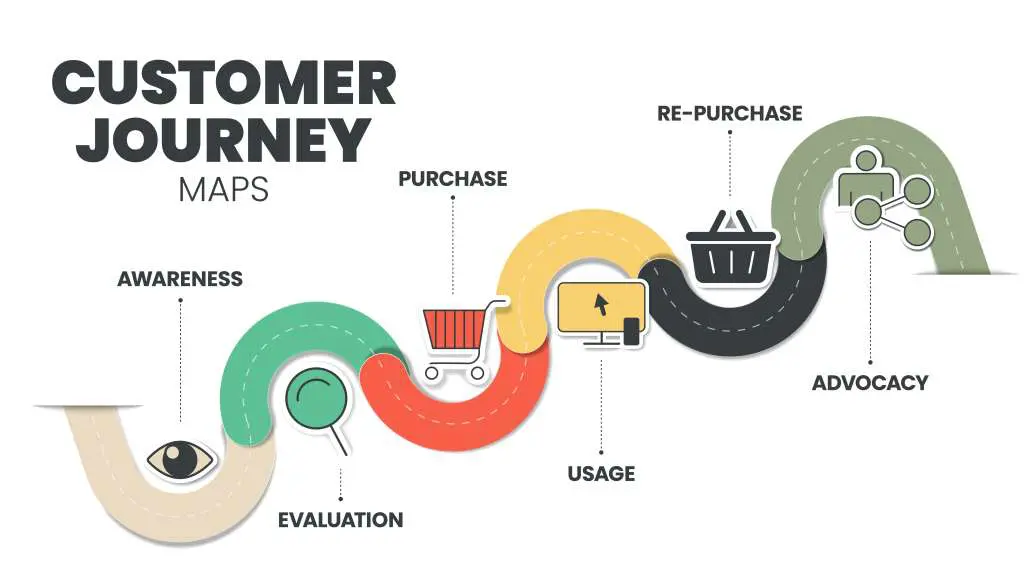
The journey begins the moment someone signs up for your list and follows a specific path toward loyalty.
Awareness: The subscriber learns about your brand and products.
Evaluation: They compare your offerings against competitors to see if you fit their lifestyle.
Purchase: The customer makes their first transaction.
Usage: They incorporate the product into their daily or weekly routine.
Re-purchase: The customer returns to buy again, solidifying the habit.
Advocacy: They become a loyal fan who shares your brand with their social circle.
Segmenting Your Email List
Segmenting your list by behavior and preference is vital for a Consumer Packaged Goods brand's email engagement strategy. Consider these segments:
Purchase History: Group customers by the specific products they buy.
Frequency: Separate one-time buyers from recurring subscribers.
Dietary Preferences: Create segments for vegan, gluten-free, or keto customers.
Engagement Level: Identify "super-fans" who open every email versus those who haven't opened one in months.
DTC vs. CPG Newsletter Strategies
Direct-to-Consumer (DTC) brands focus on driving traffic to their own website for immediate sales. Consumer Packaged Goods (CPG) brands often sell through third-party retailers. A CPG brand newsletter strategy might focus more on driving store visits or providing "Where to Buy" links to help customers find products at local grocers.
Building a Content Strategy for Your F&B Email Newsletter
Content is the heart of your newsletter. Your goal should be to provide a balance of educational, entertaining, and promotional material.
The Content Pillars
Every food and beverage brand newsletter should include these pillars:
Utility: Recipes, "how-to" guides, and pairing suggestions.
Brand Story: Behind-the-scenes looks at sourcing and manufacturing.
Community: User-generated content (UGC) and customer testimonials.
Commerce: Product announcements and limited-time offers.
Using Brand Storytelling
Emotional loyalty is built through storytelling. Use your newsletter to talk about your mission. If your brand focuses on sustainability, share updates on your plastic-free packaging or fair-trade sourcing.
Humanizing the brand through founder spotlights or "meet the team" sections helps subscribers feel like they are part of a community.
Recipe and Usage Content
One of the best email newsletter ideas for food brands is to show customers how to use the product. If you sell a specialty vinegar, provide a weekly recipe that features it. This turns your product into a lifestyle staple rather than a one-off purchase.
Types of Email Newsletters That Work for Food & Beverage Brands
Changing your newsletter formats occasionally keeps your content fresh and prevents subscriber fatigue.
Newsletter Type
Focus
Key Benefit
The Weekly Digest
Curated news, recipes, and tips.
Builds a consistent brand habit.
Product Spotlight
Deep-dive into one SKU or ingredient.
Educates on specific product benefits.
Seasonal Campaign
Holiday recipes and limited editions.
Leverages timely trends and urgency.
Loyalty & Rewards
Points updates and VIP perks.
Rewards and retains high-value customers.
Educational
Health benefits and sourcing transparency.
Builds trust and brand authority.
Community
Customer stories and social proof.
Strengthens the emotional connection.
Personalization Strategies That Make Newsletters Feel 1:1
Personalization goes beyond using a subscriber's first name. It involves using data to deliver relevant content.
Behavioral and Preference Personalization
Purchase Recommendations: Suggest products that complement what they previously bought. If they bought pasta, suggest gourmet sauces or Parmesan cheese
Dietary Filtering: If a customer has indicated they are vegan, ensure the recipes you send them do not contain animal products.
Geographic Personalization: Use location data to inform subscribers about local events, pop-up shops, or specific store availability in their city.
Dynamic Content Blocks
Modern Email Service Providers (ESPs) allow you to use dynamic content blocks. This means two people can receive the same newsletter, but see different images or offers based on their profile. For example, a customer in a cold climate might see a recipe for a hot beverage, while a customer in a warm climate sees an iced version.
Loyalty-Driven Email Newsletter Tactics
To turn subscribers into loyalists, you need to offer value that they cannot get anywhere else.
Exclusive Access and Early Drops
Reward your newsletter subscribers with early access to new product launches or limited-edition flavors. This creates a sense of "insider" status.
Brands like Liquid Death or Magic Spoon often use this tactic to sell out of new products within hours of an email blast.
Surprise-and-Delight Moments
Use your newsletter to send unexpected perks. This could be a free sample with their next order, a birthday discount, or a "just because" gift card. These small gestures go a long way in building brand affinity.
Referral Program Integration
Make it easy for your loyal customers to become advocates. Include a referral link in every newsletter. Offer a "give $10, get $10" incentive to encourage them to share your products with friends and family.
Design Best Practices for Food & Beverage Email Newsletters
Visuals are critical in the F&B space. Your emails need to look as good as your food tastes.
Visual Design Principles
Mouth-Watering Imagery: Use high-resolution, professional photography. Close-up shots of textures and colors perform well.
Color Psychology: Use colors that evoke hunger or freshness, such as greens, oranges, and reds, while staying true to your brand palette.
Mobile-First Design: Most consumers check email on their phones. Ensure your layout is single-column, with large buttons and readable fonts.
Using Motion and Video
GIFs are an excellent way to show off the pour of a drink or the "crunch" of a snack. Since most email clients do not support embedded video, use a high-quality thumbnail with a play button that links to a video on your site or YouTube.
Subject Lines and Preview Text That Drive Opens
The subject line is your first impression. If it fails, the rest of your content remains unseen.
Subject Line Formulas for Food and Beverage Brands
The Curiosity Gap: "You’ve never tried [Ingredient] like this..."
The Benefit-Driven: "3 recipes to boost your morning energy."
The Urgency-Based: "Only 50 cases left: Our seasonal brew is almost gone."
The Personalized: "[Name], we picked these flavors just for you."
The Power of Preview Text
Preview text is the short snippet of text that follows the subject line in an inbox. Use it to provide extra context. If your subject line is "Your weekend plans are here," your preview text should be "Check out our new BBQ rib recipe and pairing guide."
Automating Your Food & Beverage Newsletter for Scale
Consistency is key to loyalty, and automation ensures you never miss a beat.
Essential Email Flows
The Welcome Series: This is the most important flow. It should introduce your brand values, offer a first-purchase discount, and set expectations for future newsletters.
Post-Purchase Flow: Send a thank-you email, followed by tips on how to use or store the product they just bought.
Replenishment Reminders: If you sell a product that lasts 30 days, send a reminder on day 25 to restock.
Re-engagement Campaigns: If a subscriber hasn't opened an email in 60 days, send a "We miss you" email with a special offer to win them back.
Integrating Your Newsletter with Other Loyalty Channels
Your email newsletter should not exist in a vacuum. It should be the hub of your multichannel loyalty strategy.
Multi-Channel Synergy
WhatsApp Integration: Use email for long-form storytelling and WhatsApp for time-sensitive alerts or flash sales.
Social Media Cross-Promotion: Use your Instagram or TikTok to drive sign-ups for your "Inner Circle" newsletter.
On-Pack Promotions: Include a QR code on your product packaging that leads directly to your newsletter sign-up page.
Loyalty Program Syncing: If you have a points-based loyalty program, include the subscriber’s current points balance in every newsletter header.
Measuring Newsletter Success
To improve your strategy, you must track the right metrics.
Core KPIs for F&B Brands
Revenue Per Email (RPE): This tells you exactly how much money each send is generating.
Unsubscribe Rate: A high rate indicates your content is not relevant or you are sending too frequently.
Repeat Purchase Rate: Monitor if newsletter subscribers have a higher repeat purchase rate compared to non-subscribers.
List Growth Rate: Ensure you are gaining new subscribers faster than you are losing them.
Common Mistakes to Avoid
Even established brands make mistakes that can hurt their reputation and deliverability.
Being Too "Salesy": If every email is a discount or a pitch, subscribers will tune out. Focus on providing value first.
Inconsistent Cadence: Sending three emails in one week and then disappearing for a month confuses your audience. Pick a schedule and stick to it.
Ignoring Mobile Optimization: If your images don't load or your buttons are too small to tap, you will lose customers.
Buying Email Lists: Never buy a list. It leads to high spam complaints and can get your account suspended. Build your list organically.
Real-World Examples: F&B Brands Winning with Newsletters
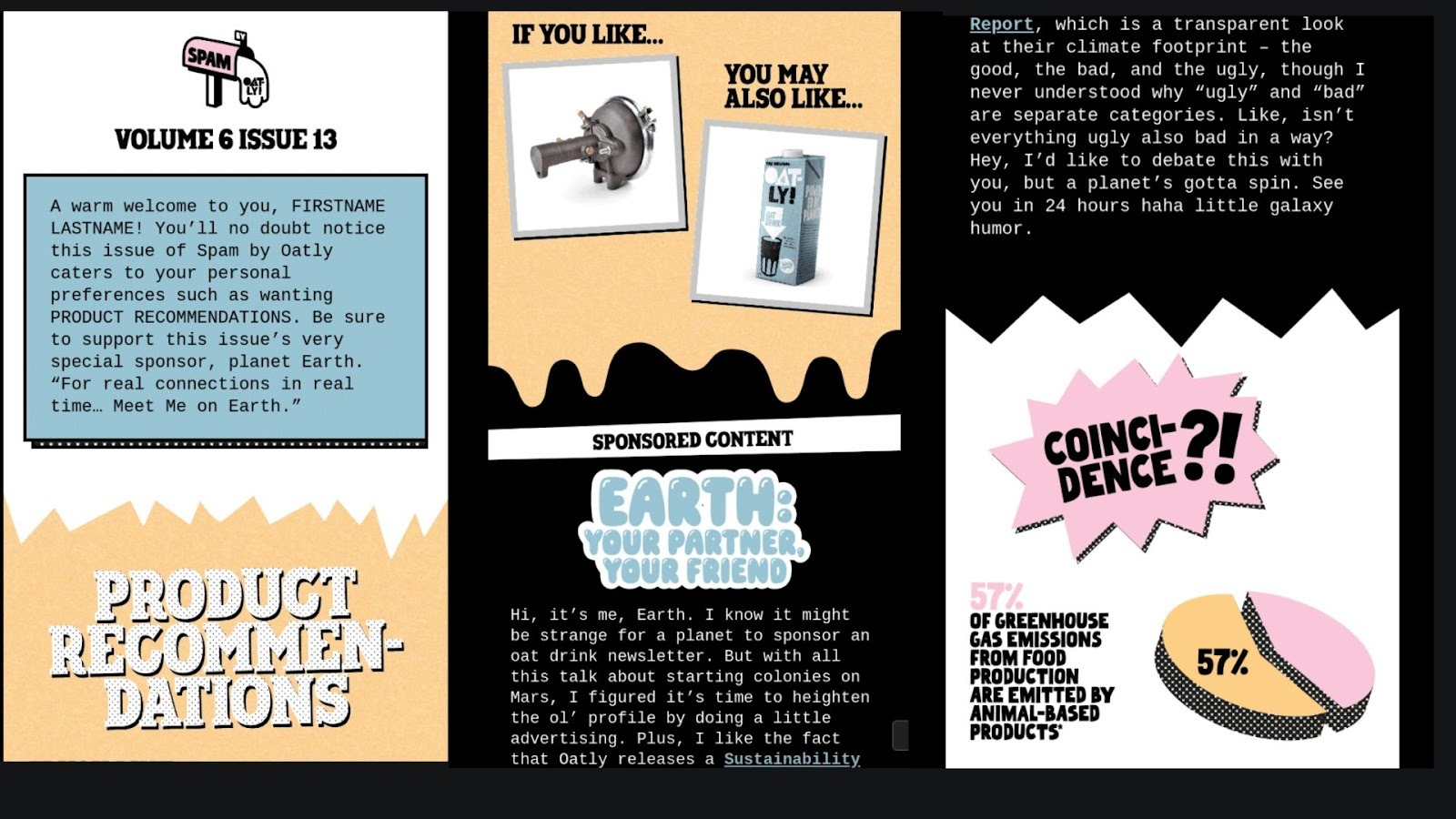
1. Oatly
Oatly uses a quirky, conversational brand voice that matches their packaging. Their newsletters often feature strange stories, sustainability reports, and minimalist design. They build loyalty by being authentically themselves, which resonates with their target audience.
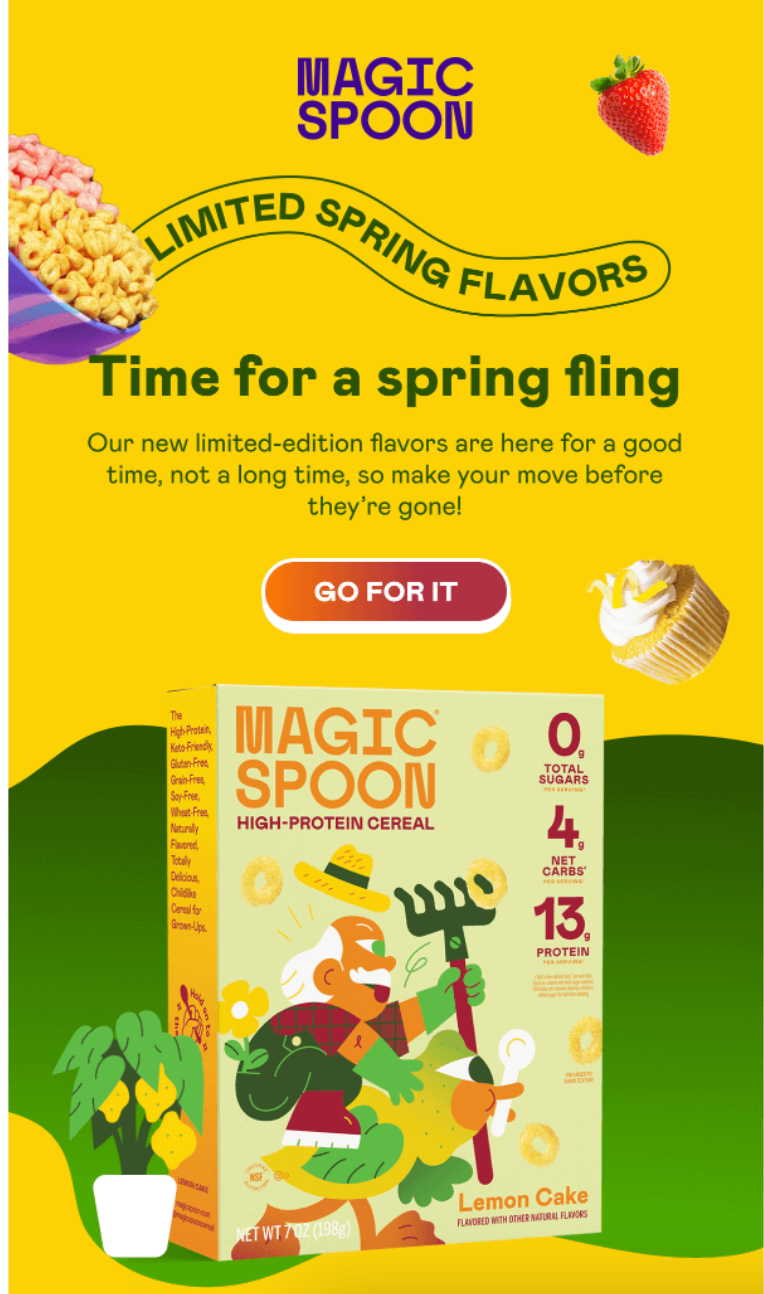
2. Magic Spoon
Magic Spoon excels at the product spotlight newsletter. They use vibrant, high-contrast colors and GIFs to make their healthy cereal look fun and indulgent. Their emails are heavy on social proof, often featuring glowing customer reviews.
3. Ghia
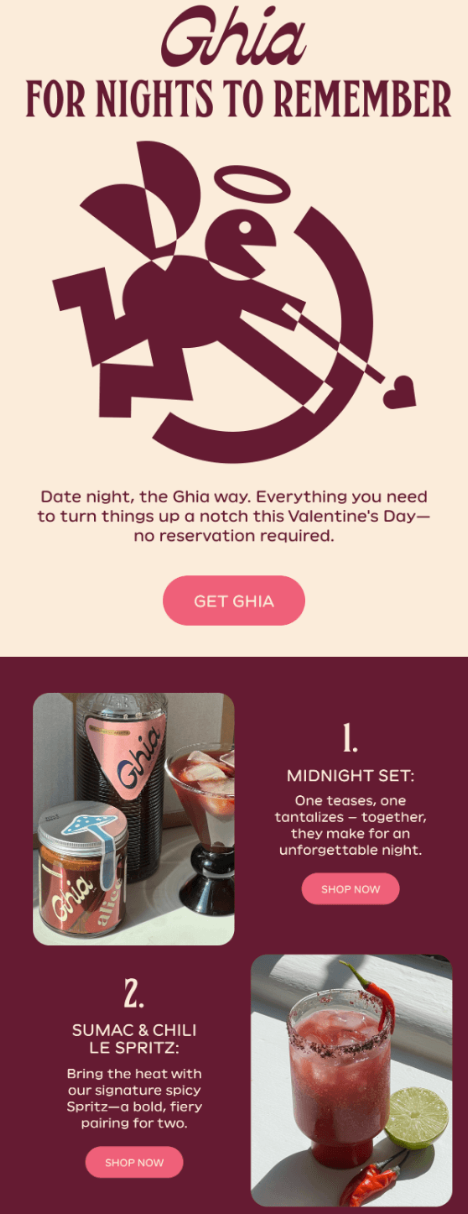
The non-alcoholic aperitif brand Ghia uses storytelling and aesthetic design to build a lifestyle around its product. Their newsletters often include playlists, artist spotlights, and hosting tips, positioning the brand as a leader in the sober curious movement.
Making Your Newsletter the Heart of Your Loyalty Strategy
An email newsletter is a powerful tool for any food or beverage brand looking to grow. By focusing on segmentation, storytelling, and providing genuine value, you create a channel that your customers look forward to seeing in their inbox. This consistent communication builds the brand equity needed to turn casual buyers into lifelong advocates.
Success requires patience and testing. Start by refining your welcome series, then experiment with different content pillars to see what resonates most with your audience. Over time, your newsletter will become your most valuable asset for driving repeat sales and fostering true brand loyalty.
Use ZEPIC to create a newsletter that makes a lasting impression. Book a demo today!
Frequently Asked Questions
How do email newsletters help food and beverage brands build customer loyalty?
Email newsletters help food and beverage brands stay top-of-mind between purchases by delivering ongoing value such as recipes, preparation tips, exclusive offers, and brand stories. This consistent engagement strengthens emotional connections and increases the likelihood of repeat purchases.
What content should a food and beverage newsletter include?
Effective newsletters balance value and promotion. Content may include recipes, pairing ideas, behind-the-scenes brand stories, customer testimonials, and updates on new products or limited-edition flavors. The goal is to inspire subscribers while gently encouraging purchases.
How often should food and beverage brands send newsletters?
Weekly or biweekly newsletters work well for most food and beverage brands. A consistent cadence builds familiarity and trust while reducing the risk of subscriber fatigue.
How can food brands personalize their email newsletters?
Brands can personalize newsletters using data such as purchase history, dietary preferences, geographic location, and browsing behavior. Dynamic content blocks allow different subscribers to see tailored recipes, offers, and product recommendations within the same campaign.
Can newsletters drive repeat purchases for food brands?
Yes. Newsletters can drive repeat purchases through replenishment reminders, complementary product suggestions, exclusive subscriber discounts, and early access to new launches. These tactics encourage customers to restock and remain loyal to the brand.
What metrics should food and beverage brands track to measure newsletter success?
Key metrics include open rates, click-through rates, repeat purchase rates, revenue per email, list growth, and unsubscribe rates. Tracking these indicators helps brands refine content strategy and improve long-term engagement.
Desperate times call for desperate Google/Chat GPT searches, right? "Best Shopify apps for sales." "How to increase online sales fast." "AI tools for ecommerce growth."
Been there. Done that. Installed way too many apps. But here's what nobody tells you while you're doom-scrolling through Shopify app reviews at 2 AM—that magical online sales-boosting app you're searching for? It doesn't exist. Because if it did, Jeff Bezos would've bought (or built!) it yesterday, and we (fellow eCommerce store owners) would all be retired in Bali by now. Growing a Shopify store and increasing online sales isn’t easy—we get it. While everyone’s out chasing the next “revolutionary” tool/trend (looking at you, DeepSeek), the real revenue drivers are probably hiding in plain sight—right there inside your customer data. After working with Shopify stores like yours (shoutout to Cybele, who recovered almost 25% of their abandoned carts with WhatsApp automation), we’ve cracked the code on what actually moves the needle. Ready to stop app-hopping and start actually growing your sales by using what you already have? Here are four fixes that will get you there!
The Painful Truth: You're probably losing about 70% of your potential sales to cart abandonment. That's not just a statistic—it's real money walking out of your digital door. And looking for yet another Shopify app for abandoned cart recovery isn't going to fix it if you're not getting the fundamentals right.
The Quick Fix: Everyone knows you need multi-channel recovery that hits the sweet spot between "Hey, did you forget something?" and "PLEASE COME BACK!" But here's the reality—most recovery apps are a one-trick pony. They either do email OR WhatsApp, not both. And don't even get us started on personalizing offers based on cart value—that usually means toggling between three different dashboards while praying your apps talk to each other.
Enter ZEPIC: This is where we come in. With ZEPIC's automated Flows, you can: Launch WhatsApp recovery messages (with 95% open rates!) Set up perfectly timed email sequences (or vice versa) Create personalized recovery offers not just on cart value but based on your customer’s behavior/preferences Track and optimize everything from one dashboard
Fix #2: Reactivate past customers today
The Painful Truth: You're probably losing about 70% of your potential sales to cart abandonment. That's not just a statistic—it's real money walking out of your digital door. And looking for yet another Shopify app for abandoned cart recovery isn't going to fix it if you're not getting the fundamentals right.
The Quick Fix: Everyone knows you need multi-channel recovery that hits the sweet spot between "Hey, did you forget something?" and "PLEASE COME BACK!" But here's the reality—most recovery apps are a one-trick pony. They either do email OR WhatsApp, not both. And don't even get us started on personalizing offers based on cart value—that usually means toggling between three different dashboards while praying your apps talk to each other.
Enter ZEPIC: This is where we come in. With ZEPIC's automated Flows, you can: Launch WhatsApp recovery messages (with 95% open rates!) Set up perfectly timed email sequences (or vice versa) Create personalized recovery offers not just on cart value but based on your customer’s behavior/preferences Track and optimize everything from one dashboard
Offering light at the end of the tunnel is Google’s Privacy Sandbox which seeks to ‘create a thriving web ecosystem that is respectful of users and private by default’. Like the name suggests, your Chrome browser will take the role of a ‘privacy sandbox’ that holds all your data (visits, interests, actions etc) disclosing these to other websites and platforms only with your explicit permission. If not yet, we recommend testing your websites, audience relevance and advertising attribution with Chrome’s trial of the Privacy Sandbox.
Top 3 impacts of the third-party cookie phase-out
Who’s impacted
How
What next
Digital advertising and acquisition teams
Lack of cookie data results in drastic fall in website traffic and conversion rate
Review all cookie-based audience acquisition. Sign up for Chrome’s trial of the Privacy Sandbox
Digital Customer Experience
Customers are not served relevant, personalised experiences: on the web, over social channels and communication media
Multiply efforts to collect first-party customer data. Implement a Customer Data Platform
Security, Privacy and Compliance teams
Increased scrutiny from regulators and questions from customers about data storage and usage
Review current cookie and communication consent management, ensure to align with latest privacy regulations


%201.png)


.jpg)